Why Occupational Therapy Matters More Than Most Parents Realise
Every parent wants their child to manage daily life with confidence. Getting dressed without a struggle. Holding a pencil properly. Sitting through a meal, organising a school bag, or simply playing without feeling overwhelmed. For many children, these everyday tasks are harder than they appear, and that is where occupational therapy for children in Bangalore becomes genuinely important.
Occupational therapy focuses on helping children participate meaningfully in the activities that make up their daily life. For children, those activities are play, learning, and self-care. A trained occupational therapist works on the physical, sensory, cognitive, and emotional skills that support these activities. The goal is always functional independence.
At Aster Centre, occupational therapy for children in Bangalore is built around each child’s unique developmental profile, with clear goals and a personalised approach that involves families every step of the way.
What Occupational Therapy for Children in Bangalore Addresses
When a child struggles with fine motor tasks like drawing, cutting with scissors, or using a spoon, it is rarely a matter of effort. There is usually an underlying developmental reason. Occupational therapy looks at how a child processes sensory information, how their muscles and coordination are developing, and how their brain organises movement and attention.
Some children are hypersensitive to touch, sound, or light. Others have low muscle tone that makes sitting upright exhausting. Some find transitions between activities extremely distressing. Occupational therapy for children in Bangalore addresses all of these challenges through structured, evidence-based techniques that are customised to each child.
Common areas that occupational therapy supports include fine motor skills, sensory processing, self-care routines, handwriting, attention and focus, emotional regulation, and school readiness.
Signs Your Child May Benefit From Occupational Therapy
Parents often come to occupational therapy after noticing patterns they cannot explain. Their child avoids certain textures or becomes upset when clothes feel uncomfortable. They struggle to sit still in class, get frustrated with tasks other children handle easily, or have difficulty with multi-step instructions.
Some signs to look out for include difficulty with handwriting or holding a pencil correctly, avoiding physical play or appearing unusually clumsy, sensitivity to sounds, lights, or textures, trouble with self-care tasks like dressing or eating, and difficulty managing emotions in structured settings.
None of these signs mean something is wrong with your child. They mean the child’s nervous system is asking for support, and the right therapy can make a real difference. Occupational therapy for children in Bangalore that starts early gives children the strongest possible foundation for school and daily life.
How Occupational Therapy Works at Aster Centre
At Aster Centre, the occupational therapy process begins with a thorough assessment of the child’s strengths and the areas where they need support. From there, a personalised therapy plan is developed with meaningful, measurable goals.
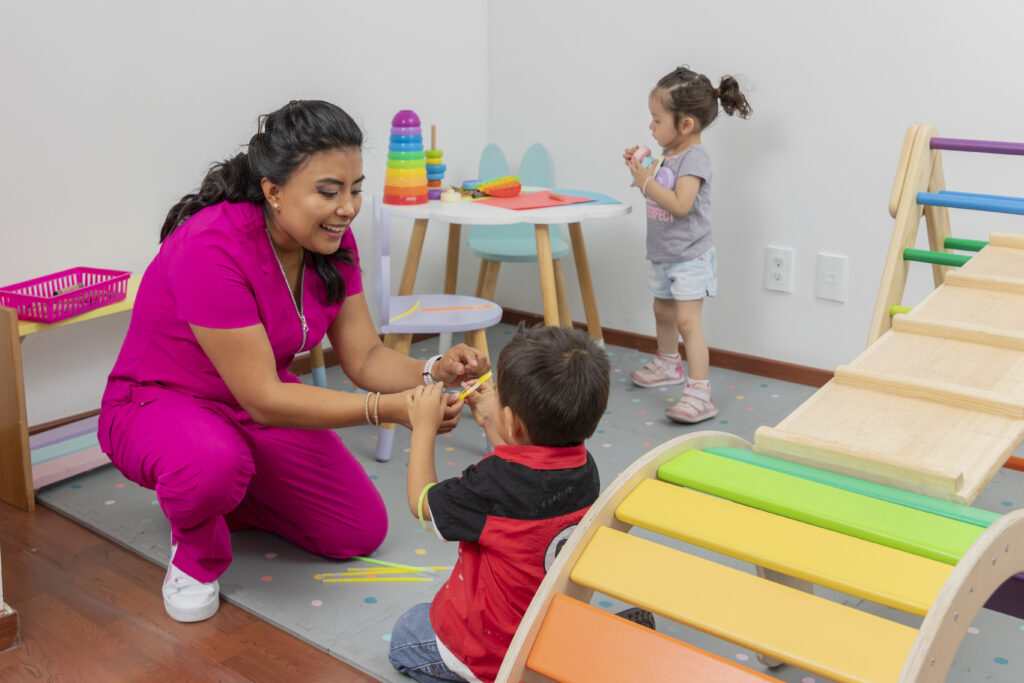
Sessions are structured but engaging. Therapists use play-based methods, sensory integration activities, fine motor exercises, and real-life task training to build skills that transfer directly into everyday life. A child who practises using cutlery during therapy will carry that skill into mealtimes at home.
The approach at Aster Centre also involves close collaboration with parents and teachers. Skills developed during sessions need reinforcement at home and in school. Therapists share practical strategies with families and adjust goals as the child progresses. This consistency between therapy and daily life is one of the strongest factors in how much a child grows.
To learn more about how Aster Centre structures occupational therapy sessions, visit the occupational therapy service page.
The Role of Sensory Processing in Child Development
Sensory processing is at the core of many challenges children face. The sensory system takes in information from the environment and from within the body and organises it so the child can respond appropriately. When this system is dysregulated, everyday activities like sitting in a classroom or eating lunch can feel overwhelming.
Occupational therapists trained in sensory integration help the child’s nervous system process sensory input more efficiently. Over time, children become better equipped to self-regulate, which means they can stay calmer, focus for longer, and participate more fully in school and home routines.
For neurodivergent children, including those with autism, ADHD, developmental delays, or cerebral palsy, sensory integration therapy is often one of the most impactful interventions available. Occupational therapy for children in Bangalore that incorporates this approach produces results that parents can see in daily life, not just during sessions.
Why Starting Early Makes a Difference
The brain is most adaptable during early childhood. This is when the neural pathways that govern movement, attention, and sensory processing are still forming. Accessing occupational therapy for children in Bangalore during these early years gives children the best chance of building strong foundational skills before the demands of school increase.
That said, it is never too late to begin. Older children and adolescents benefit significantly from occupational therapy, especially when the focus shifts to functional independence, vocational readiness, and self-management skills. Aster Centre supports children and young adults across a wide age range, and goals are adjusted to suit each stage of development.
Occupational Therapy as Part of a Wider Support Plan
Occupational therapy rarely works alone. For children with complex needs, it is most effective as part of a coordinated plan that may also include speech and language therapy, special education services, or early intervention programmes. When these services work toward common goals, progress happens faster and in a more connected way.
Aster Centre follows a school-based model that mirrors a structured academic environment. This means children learn to function within routines, transitions, and classroom expectations while receiving therapeutic support at the same time. The two reinforce each other naturally.
If your child is also working on communication, speech and language therapy can complement occupational therapy by addressing sensory and motor aspects of communication alongside language development.
Conclusion
Occupational therapy is one of the most practical and evidence-backed forms of support available for children who find everyday tasks difficult. Whether your child is dealing with sensory challenges, fine motor delays, emotional regulation difficulties, or limited independence in self-care, a skilled occupational therapist can make a measurable and lasting difference.
With the right support from Aster Centre, children can build the skills they need to participate confidently in school, at home, and in their community. Occupational therapy for children in Bangalore is not just a therapeutic intervention. It is an investment in the child’s ability to live life fully and independently.
Why Occupational Therapy Matters More Than Most Parents Realise
Every parent wants their child to manage daily life with confidence. Getting dressed without a struggle. Holding a pencil properly. Sitting through a meal, organising a school bag, or simply playing without feeling overwhelmed. For many children, these everyday tasks are harder than they appear, and that is where occupational therapy for children in Bangalore becomes genuinely important.
Occupational therapy focuses on helping children participate meaningfully in the activities that make up their daily life. For children, those activities are play, learning, and self-care. A trained occupational therapist works on the physical, sensory, cognitive, and emotional skills that support these activities. The goal is always functional independence.
At Aster Centre, occupational therapy for children in Bangalore is built around each child’s unique developmental profile, with clear goals and a personalised approach that involves families every step of the way.
What Occupational Therapy for Children in Bangalore Addresses
When a child struggles with fine motor tasks like drawing, cutting with scissors, or using a spoon, it is rarely a matter of effort. There is usually an underlying developmental reason. Occupational therapy looks at how a child processes sensory information, how their muscles and coordination are developing, and how their brain organises movement and attention.
Some children are hypersensitive to touch, sound, or light. Others have low muscle tone that makes sitting upright exhausting. Some find transitions between activities extremely distressing. Occupational therapy for children in Bangalore addresses all of these challenges through structured, evidence-based techniques that are customised to each child.
Common areas that occupational therapy supports include fine motor skills, sensory processing, self-care routines, handwriting, attention and focus, emotional regulation, and school readiness.
Signs Your Child May Benefit From Occupational Therapy
Parents often come to occupational therapy after noticing patterns they cannot explain. Their child avoids certain textures or becomes upset when clothes feel uncomfortable. They struggle to sit still in class, get frustrated with tasks other children handle easily, or have difficulty with multi-step instructions.
Some signs to look out for include difficulty with handwriting or holding a pencil correctly, avoiding physical play or appearing unusually clumsy, sensitivity to sounds, lights, or textures, trouble with self-care tasks like dressing or eating, and difficulty managing emotions in structured settings.
None of these signs mean something is wrong with your child. They mean the child’s nervous system is asking for support, and the right therapy can make a real difference. Occupational therapy for children in Bangalore that starts early gives children the strongest possible foundation for school and daily life.
How Occupational Therapy Works at Aster Centre
At Aster Centre, the occupational therapy process begins with a thorough assessment of the child’s strengths and the areas where they need support. From there, a personalised therapy plan is developed with meaningful, measurable goals.
Sessions are structured but engaging. Therapists use play-based methods, sensory integration activities, fine motor exercises, and real-life task training to build skills that transfer directly into everyday life. A child who practises using cutlery during therapy will carry that skill into mealtimes at home.
The approach at Aster Centre also involves close collaboration with parents and teachers. Skills developed during sessions need reinforcement at home and in school. Therapists share practical strategies with families and adjust goals as the child progresses. This consistency between therapy and daily life is one of the strongest factors in how much a child grows.
To learn more about how Aster Centre structures occupational therapy sessions, visit the occupational therapy service page.
The Role of Sensory Processing in Child Development
Sensory processing is at the core of many challenges children face. The sensory system takes in information from the environment and from within the body and organises it so the child can respond appropriately. When this system is dysregulated, everyday activities like sitting in a classroom or eating lunch can feel overwhelming.
Occupational therapists trained in sensory integration help the child’s nervous system process sensory input more efficiently. Over time, children become better equipped to self-regulate, which means they can stay calmer, focus for longer, and participate more fully in school and home routines.
For neurodivergent children, including those with autism, ADHD, developmental delays, or cerebral palsy, sensory integration therapy is often one of the most impactful interventions available. Occupational therapy for children in Bangalore that incorporates this approach produces results that parents can see in daily life, not just during sessions.
Why Starting Early Makes a Difference
The brain is most adaptable during early childhood. This is when the neural pathways that govern movement, attention, and sensory processing are still forming. Accessing occupational therapy for children in Bangalore during these early years gives children the best chance of building strong foundational skills before the demands of school increase.
That said, it is never too late to begin. Older children and adolescents benefit significantly from occupational therapy, especially when the focus shifts to functional independence, vocational readiness, and self-management skills. Aster Centre supports children and young adults across a wide age range, and goals are adjusted to suit each stage of development.
Occupational Therapy as Part of a Wider Support Plan
Occupational therapy rarely works alone. For children with complex needs, it is most effective as part of a coordinated plan that may also include speech and language therapy, special education services, or early intervention programmes. When these services work toward common goals, progress happens faster and in a more connected way.
Aster Centre follows a school-based model that mirrors a structured academic environment. This means children learn to function within routines, transitions, and classroom expectations while receiving therapeutic support at the same time. The two reinforce each other naturally.
If your child is also working on communication, speech and language therapy can complement occupational therapy by addressing sensory and motor aspects of communication alongside language development.
Conclusion
Occupational therapy is one of the most practical and evidence-backed forms of support available for children who find everyday tasks difficult. Whether your child is dealing with sensory challenges, fine motor delays, emotional regulation difficulties, or limited independence in self-care, a skilled occupational therapist can make a measurable and lasting difference.
With the right support from Aster Centre, children can build the skills they need to participate confidently in school, at home, and in their community. Occupational therapy for children in Bangalore is not just a therapeutic intervention. It is an investment in the child’s ability to live life fully and independently.